
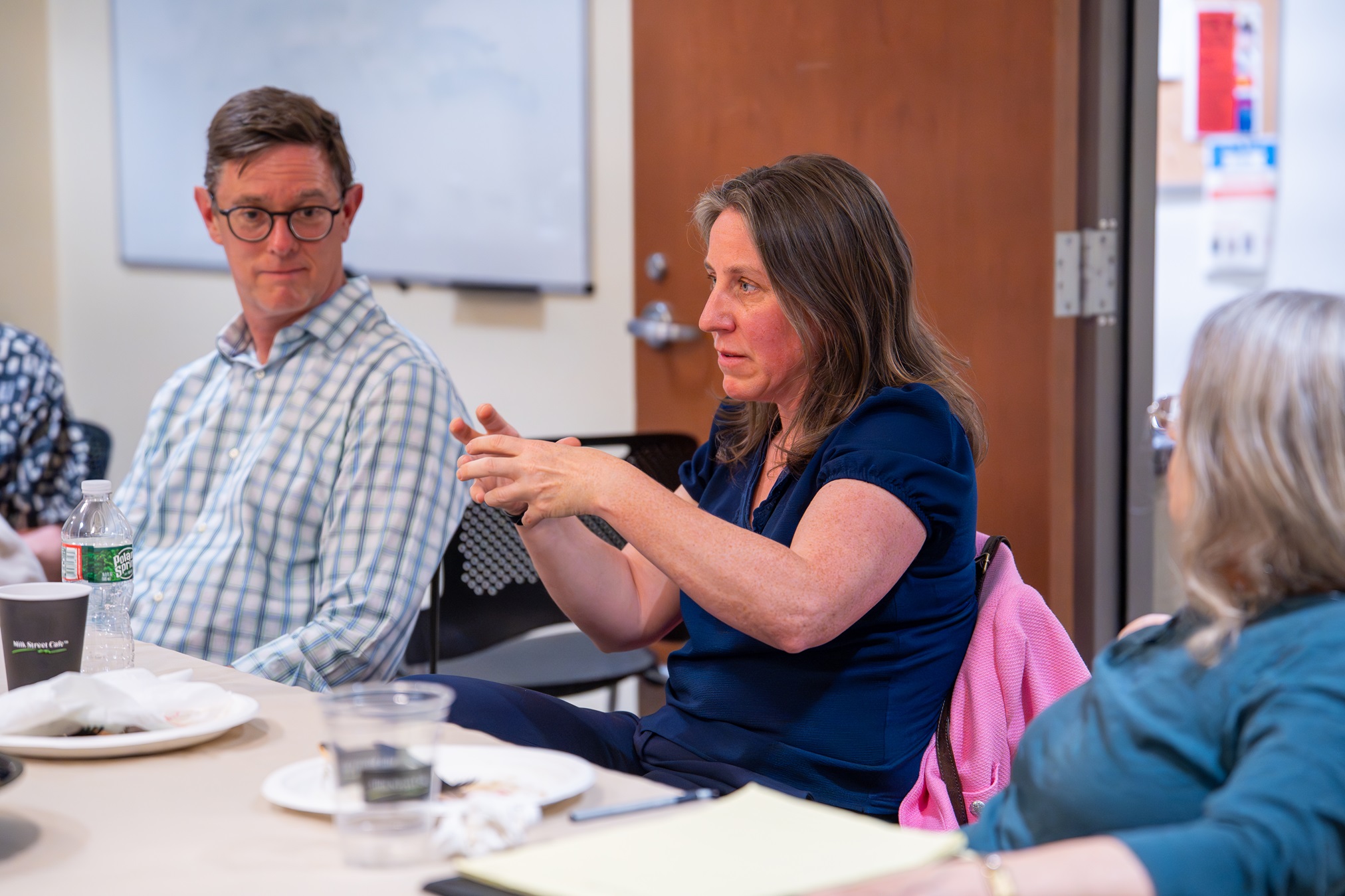
The Postdoctoral Fellowship in Expanding Viewpoints supports early-career scholars whose research and teaching illuminate contested questions in public life. Fellows collaborate with academic departments and programs, teach courses that bring overlooked ideas and competing perspectives into wider disciplinary conversation, and contribute to an interdisciplinary intellectual community committed to open inquiry and constructive disagreement.
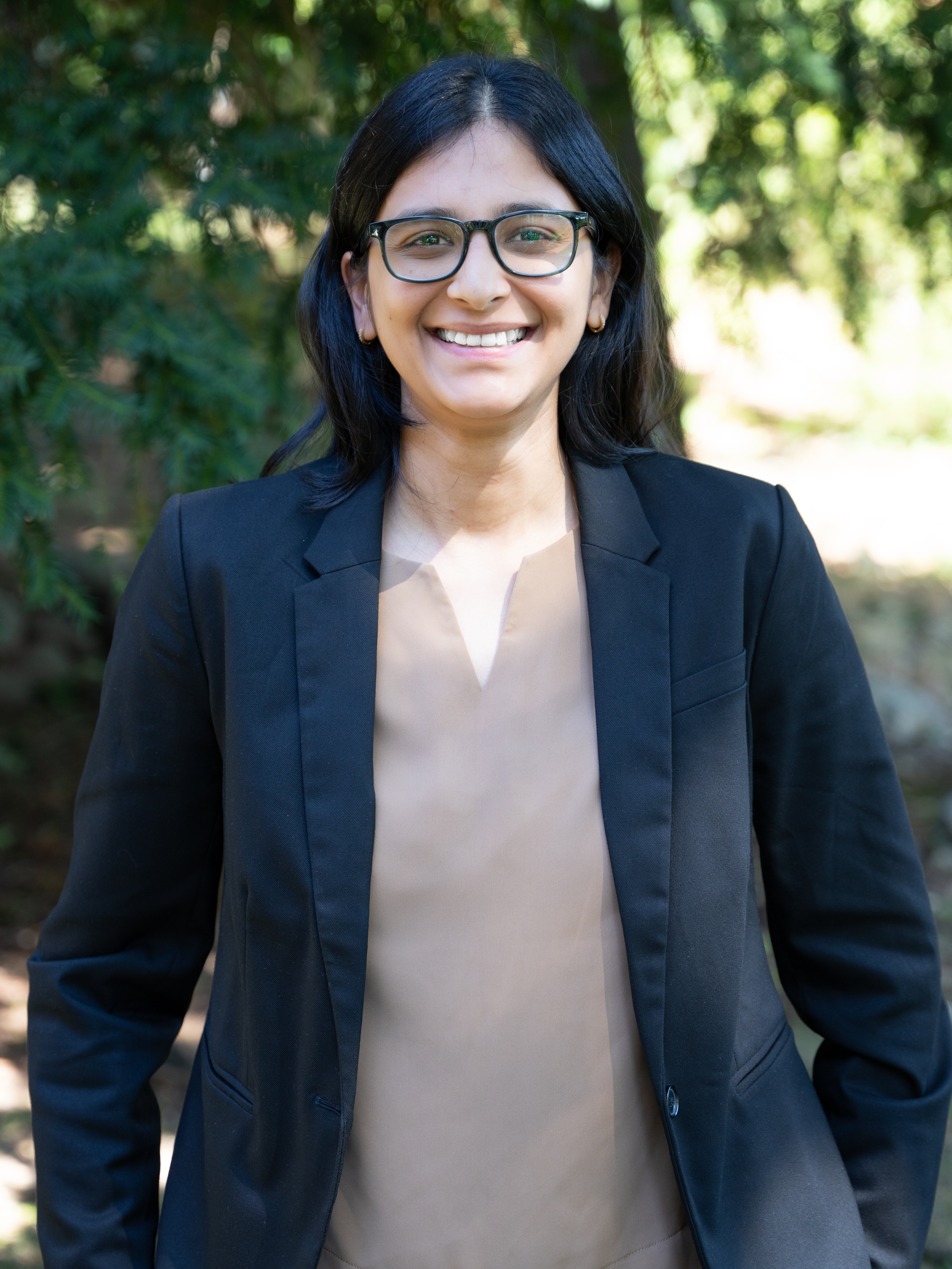
Monica Agarwal is an economist and a Postdoctoral Fellow with the Center for Expanding Viewpoints in Higher Education (CEVIHE) and the Department of Economics at Tufts University, where she is teaching courses on the economics of education. Her research interests include development economics, education economics, and applied microeconomics. Her work examines how early childhood policies and interventions shape children’s outcomes. In the U.S. context, she studies the effects of expanding access to universal pre-kindergarten in Chicago Public Schools on children’s academic outcomes. She also examines workforce dynamics in the early childhood care and education sector. In the Indian context, she studies the impact of large-scale affirmative action and school choice policies on children’s test scores, school quality, and household spillover effects. Her work also examines how women’s empowerment policies can generate broader household benefits beyond their original intent. She was previously a Postdoctoral Fellow at Northwestern University’s Institute for Policy Research. Her research has been supported by the J-PAL Post Primary Education Initiative. She completed her PhD in Applied Economics at the University of Wisconsin-Madison in 2024, earning the Outstanding Dissertation Award.
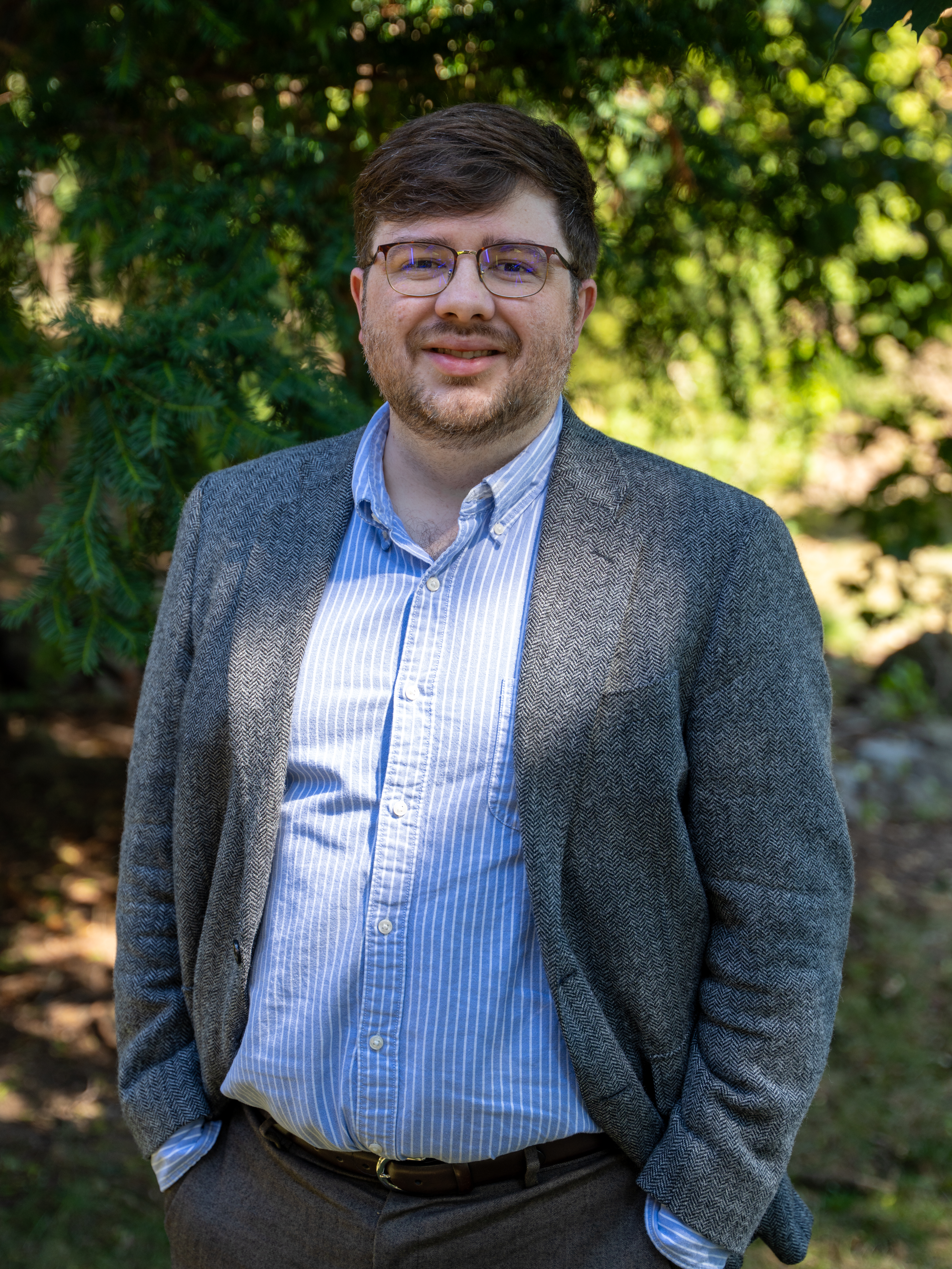
Nicholas Barden is a political theorist and a Postdoctoral Fellow with the Center for Expanding Viewpoints in Higher Education (CEVIHE) at Tufts University. He is teaching courses on Christian social and political thought through the Department of Political Science. His research examines the history of sovereignty, popular government, and public office, especially in northern humanist and Reformation political thought. His book project, Bridling the Prince: Reforming French Constitutional Thought, 1532 to 1586, explores the relationship between classical ethics, humanist theology, and law in the constitutional thought of the French Wars of Religion, especially that of Jean Calvin, François Hotman, Théodore de Bèze, and Jean Bodin. Nicholas is also interested in medieval political thought, Christian political theology, mirrors for princes, and humanist writings on commerce and statecraft. His work on Calvin’s commentary on Seneca’s De Clementia has been published in History of European Ideas, and his research has been supported by fellowships with the Institute for Humane Studies, the Mercatus Center, and the Jack Miller Center. He completed his PhD in Government at Georgetown University in 2026.
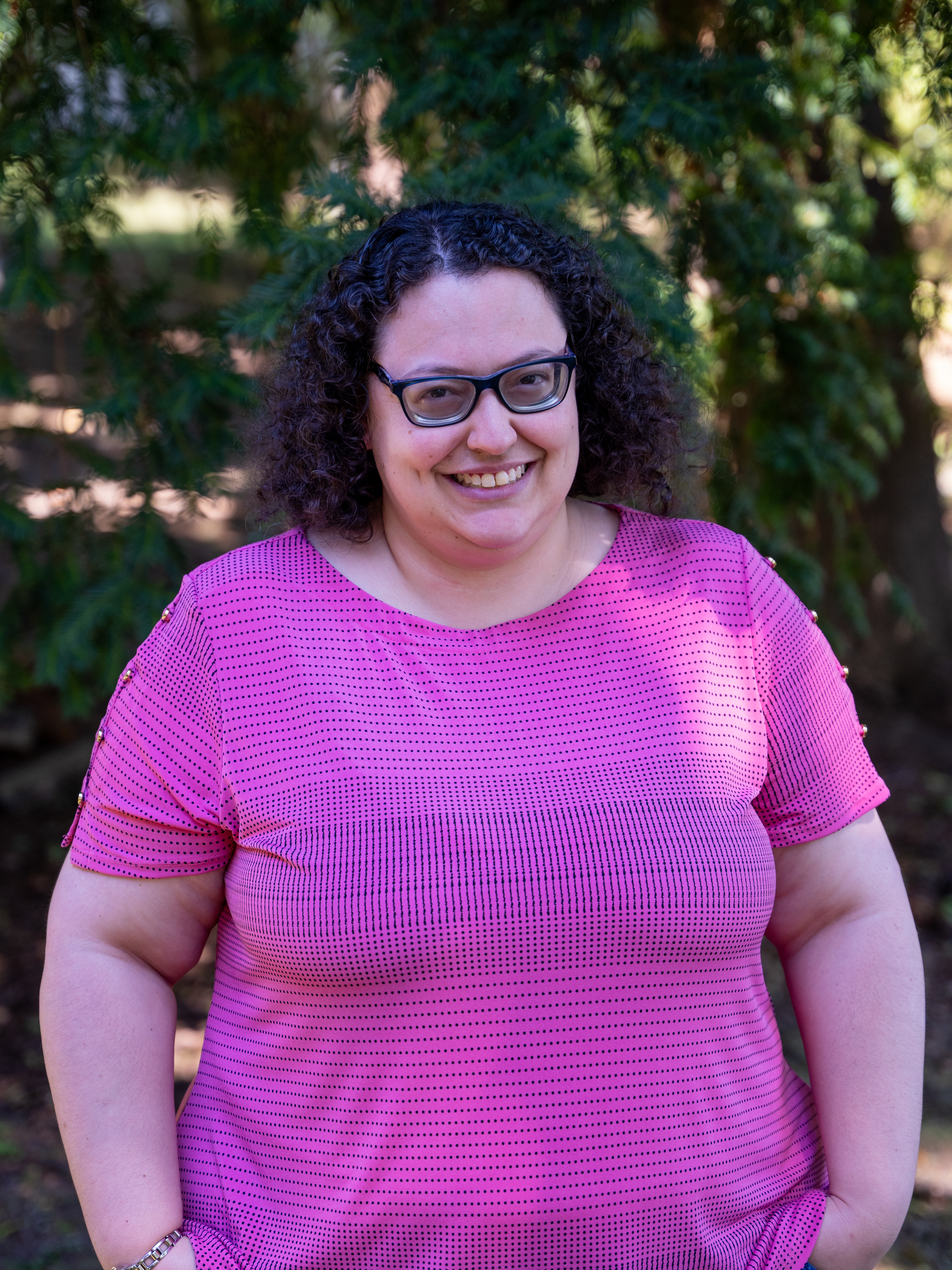
Allison Bocchino is the Postdoctoral Fellow in European Jewish History and Literature at Tufts University, affiliated with the Center for Expanding Viewpoints in Higher Education (CEVIHE) and the program in Judaic Studies, where she will teach courses on Jewish history and Jewish-Christian-Muslim interactions. Allison is a social historian of medieval Europe and the Mediterranean world, focusing on Jewish-Christian relations in Iberia. Her book project examines Jewish charity in the Crown of Aragon from the thirteenth to the fifteenth centuries and considers questions of communal boundaries between Jews and Christians, cultural assimilation, and regional differences among Jewish communities. Allison has presented her research at multiple academic conferences, including the Medieval Academy of America and the World Congress of Jewish Studies. She has been published in the journal Medieval People. She was previously a Visiting Research Fellow with the international research group “Contending with Crises: The Jews in XIVth Century Europe” at the Hebrew University of Jerusalem (2024–2026). She completed her PhD in History at the University of California, Santa Barbara in 2026.
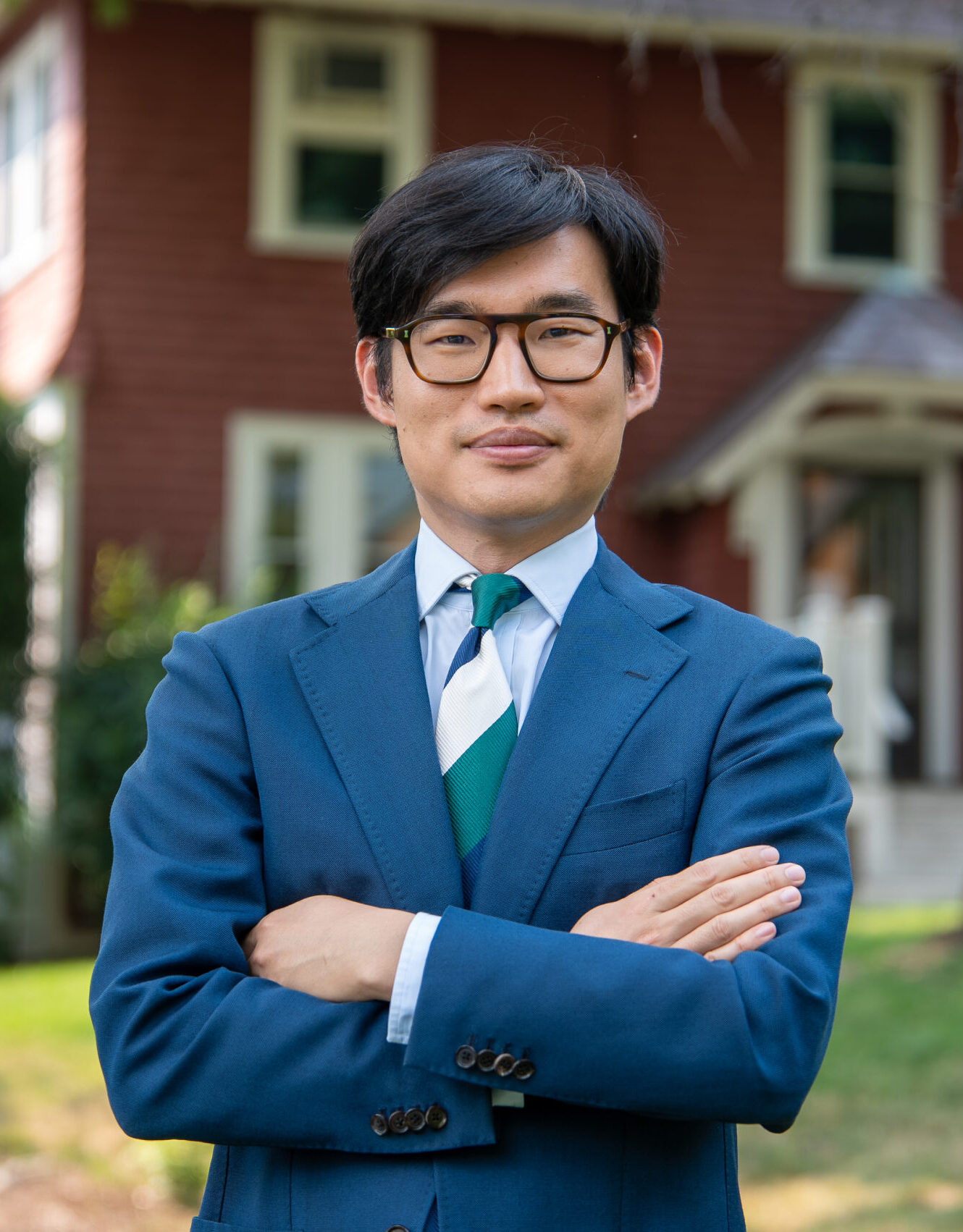
Yan Che is a literary scholar and a Postdoctoral Fellow with the Center for Expanding Viewpoints in Higher Education (CEVIHE) at Tufts University, where he will develop courses on literature and the history of economic and political thought. He specializes in the historical conjunctions of eighteenth-century British novels and political economy. His current book project, Valuing the Evaluator, examines how individuals in novels and novel-like narratives practice accumulating, collecting, and taste-making to create and assert their own human value amid the upheavals caused by the Financial Revolution and the transatlantic slave trade. Valuing the Evaluator reimagines the roles subjectivity and agency played in the lives of seemingly dispossessed individuals and makes a case for how the neoclassical economic tradition can inform literary scholarship more broadly. Complementing this book, Che is also working on a project drawing together eighteenth-century theories of sympathy with archives of educational, reading, and business practices. This project explores the role of literary imagination in shaping economic institutions and financial innovations. Che earned his PhD in English from Princeton University in 2025, where he taught courses across English and Economics. He has also taught English at Emmanuel College.
Reese Fulgenzi is a Postdoctoral Fellow at Tufts University, affiliated with the Center for Expanding Viewpoints in Higher Education (CEVIHE) and the Department of History, where he is teaching courses on the history of science, cultural heritage, and modern European history. His research examines the history of commercial paleontology, tracing how fossils have been valued and exchanged across global markets, through national and international legal regimes, and across the boundary between commercial and institutional science. His current book project, Who Owns the Past?, examines diverse comparative case studies to interrogate prevailing assumptions about fossil sales, with a particular focus on the Soviet and post-Soviet experience. He previously taught at the University of California, Berkeley. He received his PhD in Conceptual and Historical Studies of Science in 2025. He earned his MS in Geophysical Sciences from the University of Chicago and his BA from the University of Virginia.
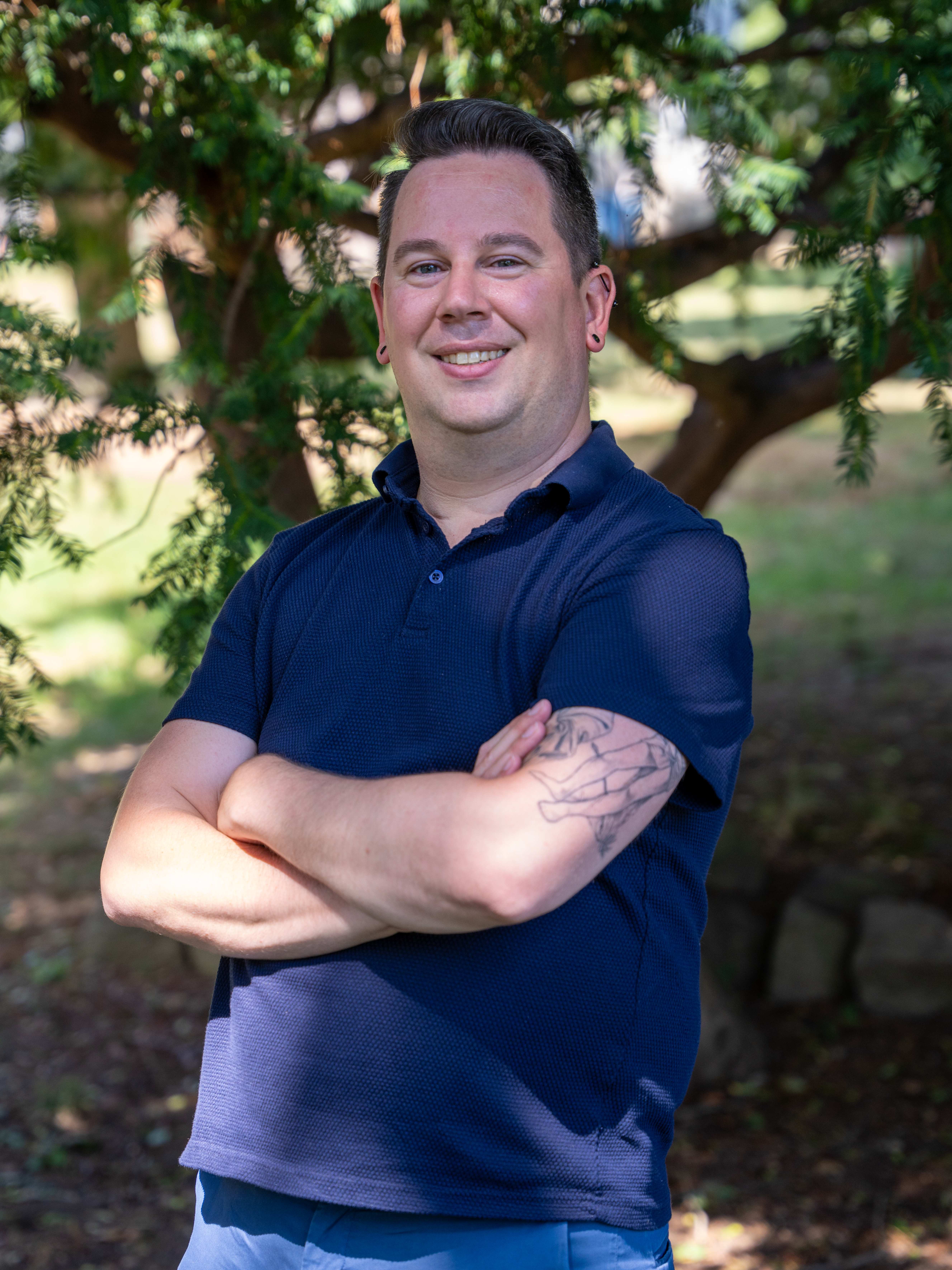
Tyler J. Fuller is a Postdoctoral Fellow with the Center for Expanding Viewpoints in Higher Education (CEVIHE) and the Department of Community Health at Tufts University, where he is teaching courses on the politics and ethics of public health. An interdisciplinary scholar of public health and the sociology of religion, his research examines how religious meaning-making shapes health behaviors and responses to public health interventions. He received his PhD in religious studies from Boston University in 2026. His dissertation, Catholic Prevention Narratives of COVID-19, drew on multisite ethnographic research in Catholic parishes across New England to analyze how religious communities interpreted the pandemic and engaged with public health actors. This work was supported by several fellowships and grants, and the project’s findings received a Student Abstract Award from the American Public Health Association. Tyler’s work has appeared in the American Journal of Public Health, the Journal of Racial and Ethnic Health Disparities, and the Journal of Religion and Health. He was previously a Fellow with the AJPH Student Think Tank and a two-time Religion and World Affairs Fellow at Boston University’s Institute on Culture, Religion, and World Affairs. He has also served as a Peace Corps Volunteer in Fiji and worked with the U.S. Centers for Disease Control and Prevention and UNAIDS. He earned an MTS and an MPH from Emory University through the Religion and Public Health Dual Degree Program.
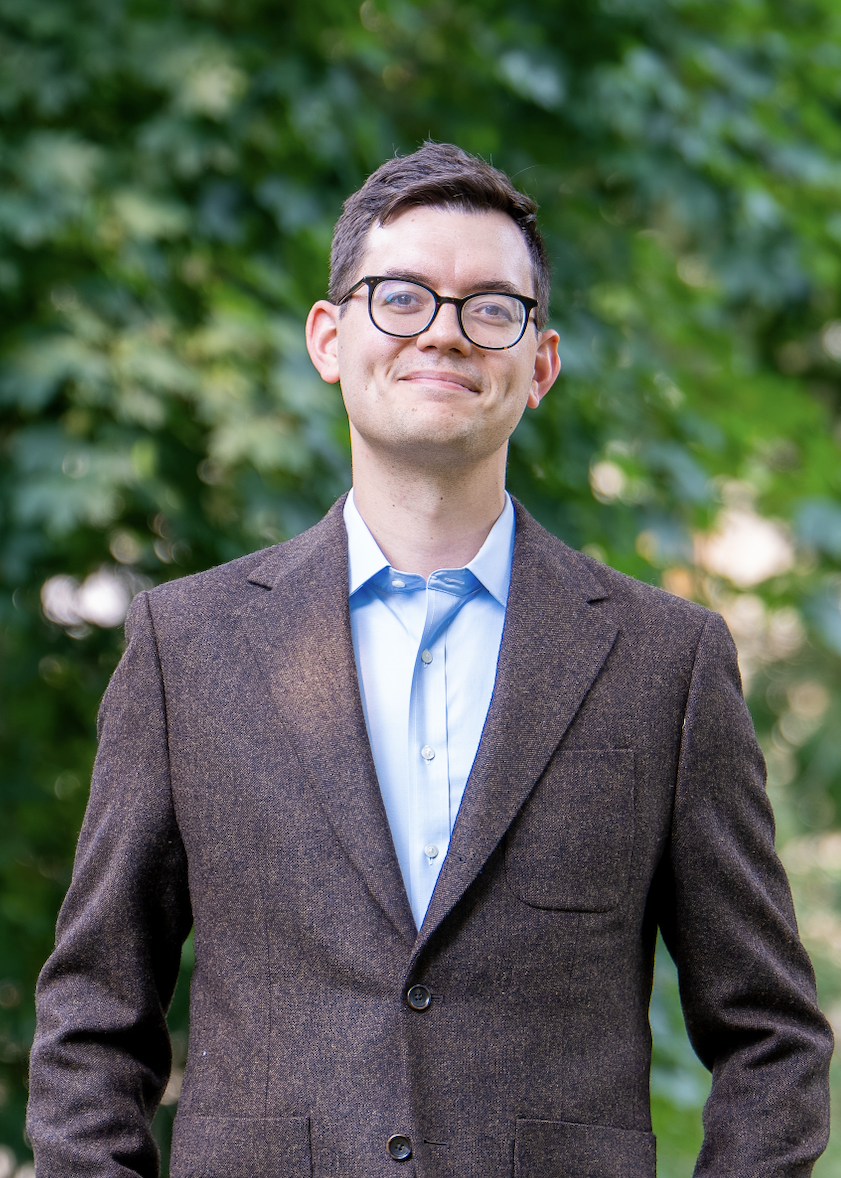
Daniel Ruggles is a political scientist and a Postdoctoral Fellow in Civic Studies at Tufts University, affiliated with the Center for Expanding Viewpoints in Higher Education (CEVIHE) and the Jonathan M. Tisch College of Civic Life, where he is teaching courses on American political development through the Civic Studies program. His work explores how activists and groups shape political parties. His book project, Building the New Right: How Young Conservatives Captured the Republican Party, investigates shifts in positions within the Republican Party across the Reagan and Trump eras, drawing on interviews and archival research to trace the role young activists have played in driving these changes. His current research investigates the networks shaping young people’s attitudes toward illiberalism, their effects on political participation, and the institutional pipelines through which conservative movements cultivate and place political talent. Daniel received his PhD in Politics from Brandeis University in 2025 and was previously a Visiting Research Scholar at Brandeis and a Silas Palmer Fellow at the Hoover Institution. His research and writing have appeared in outlets including The Conversation and The Bulwark. He received his AA from West Valley College and his BA in Political Science from San José State University.
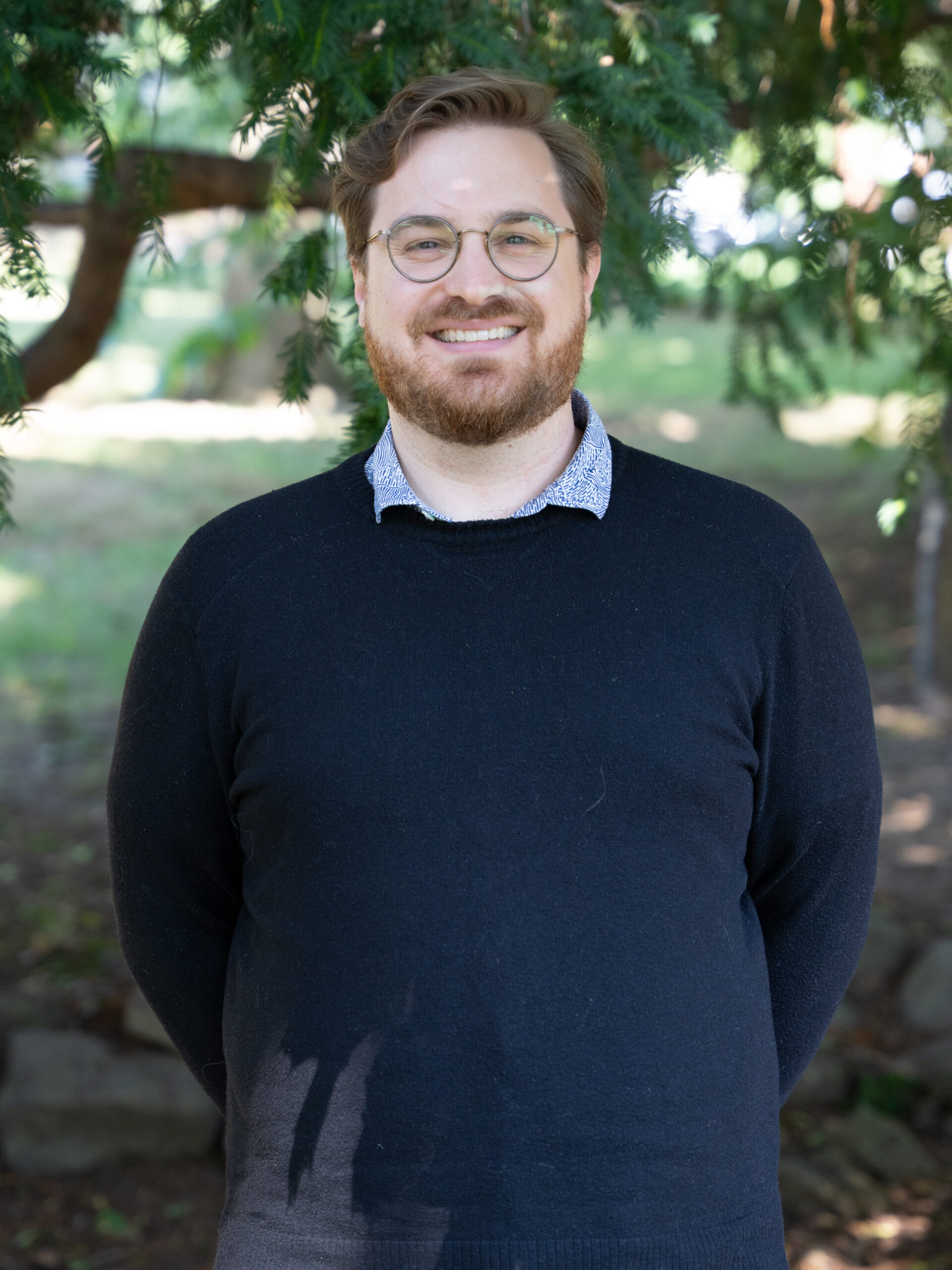
Sam Stevens is a political theorist and a Postdoctoral Fellow with the Center for Expanding Viewpoints in Higher Education (CEVIHE) at Tufts University. He is teaching courses on the Frankfurt School and the ethics and politics of technology through the Department of Political Science. His research interests are in ancient Greek philosophy. He is currently working on a book manuscript tentatively titled The Politics of Mathematics in Plato’s Republic, and he has written on Socratic elenchus and its relationship to politics. More generally, he is interested in ancient Greek ideas of ethical precarity, the nature and limits of political knowledge, and the whole of Plato’s philosophy. He has further interests in the history and philosophy of social science and has worked on the history of skepticism. He previously taught political theory at the University of Southampton. He received his PhD from the University of California, Berkeley in 2025.