
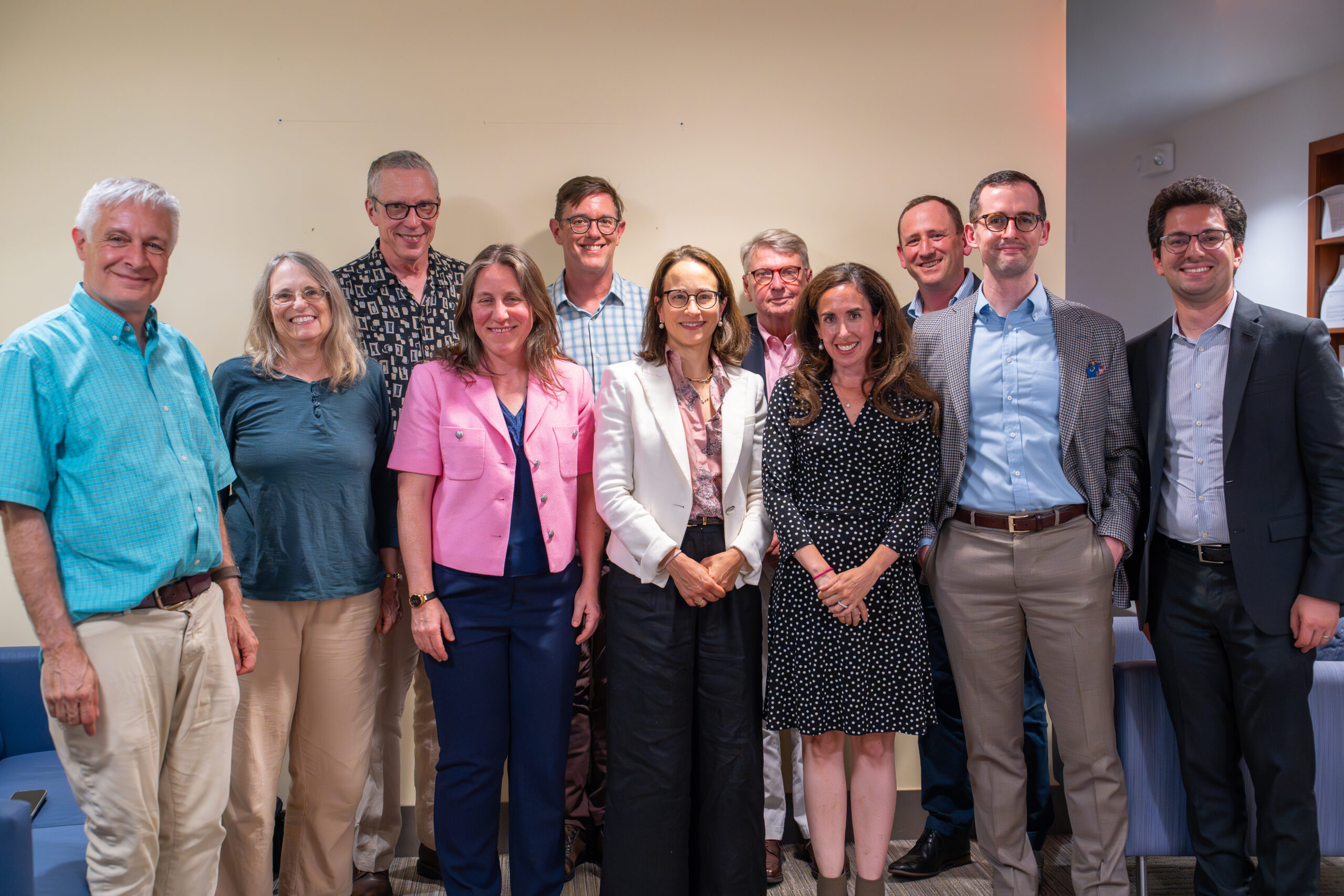
Composed of Tufts faculty from a variety of departments, programs, and schools, the Faculty Advisory Board advises the Center’s leadership on its academic priorities, supports its programming and student leadership ecosystem, and helps connect the Center’s work with teaching and research across the university. We are thankful to our colleagues for joining our efforts.
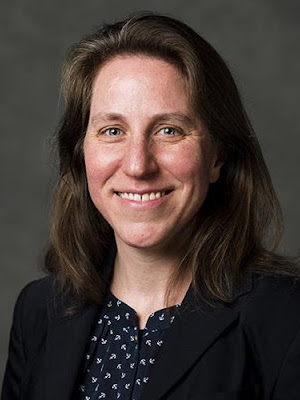
Silke Forbes is a Professor in the Department of Economics at Tufts University. She received her PhD from the Massachusetts Institute of Technology (MIT) and her MA in Economics from the University of Mannheim in Germany. In addition to teaching at Tufts, she has been a faculty member at the University of California, San Diego, and Case Western Reserve University. She has received a faculty research grant from the National Science Foundation, the Mather Spotlight Prize for Women’s Scholarship, graduate student fellowships from the Alfred P. Sloan Foundation and MIT, and a fellowship from the German National Merit Foundation. Her research interests are in Industrial Organization and Organizational Economics. Her work has been published in leading economics journals, including the American Economic Review, the American Economic Journal: Microeconomics, The RAND Journal of Economics, the International Journal of Industrial Organization, The Journal of Industrial Economics, and The Journal of Law, Economics, and Organization.
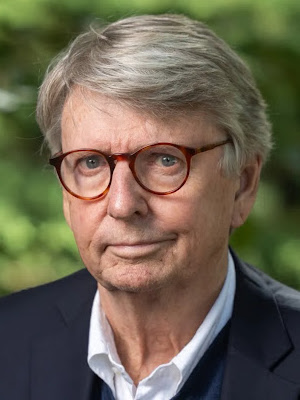
Michael J. Glennon is Professor of Constitutional and International Law at The Fletcher School of Law and Diplomacy at Tufts University. His research focuses on constitutional law, international law, use of force, international agreements, U.S. foreign relations law, the role of Congress in foreign affairs, and the separation of powers. He teaches courses on the international legal order, public international law, foreign relations and national security law, and freedom of speech. Prior to Fletcher, he served as legal counsel to the Senate Foreign Relations Committee, where he handled legal matters involving the War Powers Resolution, the Panama Canal treaties, the SALT II treaty, the Saigon evacuation, arms export controls, treaty termination, the Taiwan Relations Act, and intelligence oversight. He later served as a consultant to various congressional committees, the U.S. Department of State, and the International Atomic Energy Agency. In 1985, he led an investigation of human rights violations by the contras in Nicaragua and testified about it before the International Court of Justice. He is a member of the Board of Editors of the American Journal of International Law, the American Law Institute, and the Council on Foreign Relations. He has authored or co-authored 10 books, most recently Free Speech and Turbulent Freedom: The Dangerous Allure of Censorship in the Digital Era (Oxford University Press, 2023) and National Security and Double Government (Oxford University Press, 2014).

Lesley Inker is a Professor at the Clinical and Translational Science Program of the Graduate School of Biomedical Sciences at Tufts University. Her main research interests include measurement and estimation of kidney function, epidemiology of chronic kidney disease (CKD), biomarkers of CKD progression, treatments to slow CKD progression, and definitions of endpoints for CKD progression. She received her M.S. from Tufts University in 2005, her MD from McMaster University in 1997, and her
BA from McGill University in 1994.
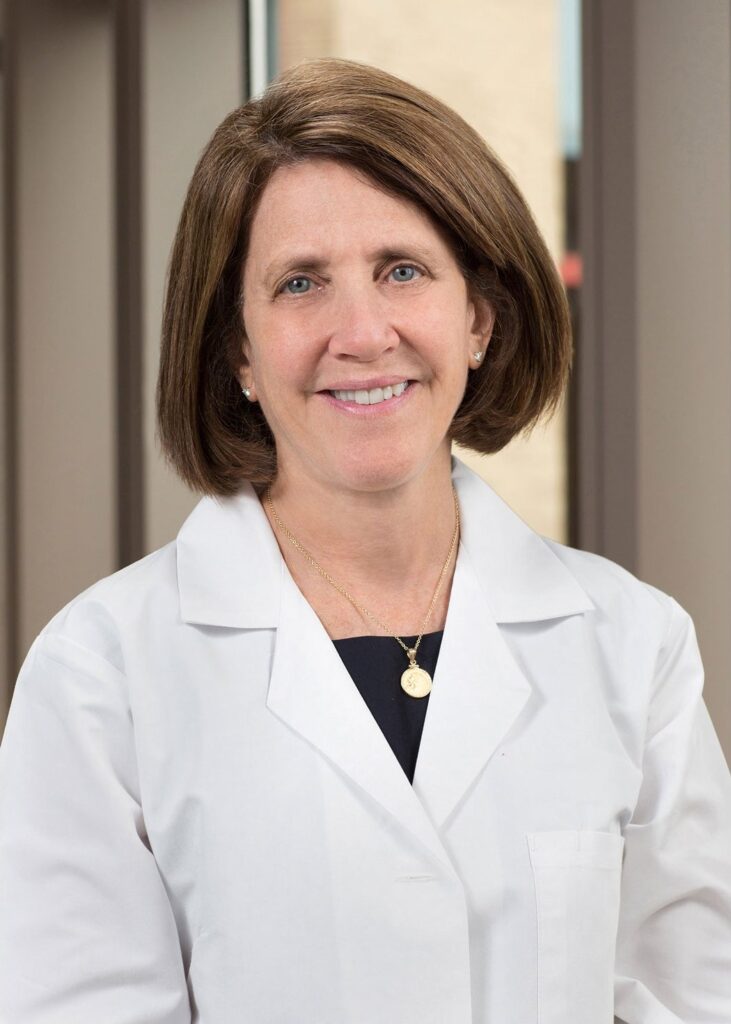
Amy Kuhlik is the Dean of Student Affairs and Assistant Professor of Medicine at the Tufts University School of Medicine. She received her MD from the University of Michigan and her BA from Brown University. She has previously served as the Chief Resident at the New England Medical Center and held the Nephrology Fellowship at Beth Israel Hospital.
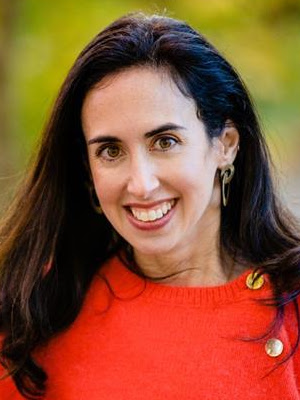
Keren Ladin is an Associate Professor in the Department of Community Health at Tufts University. She is Director of Research on Aging, Ethics, and Community Health (REACH Lab) at Tufts University. Ladin is the Concentration Lead for Practice to Policy Translational Research in the Clinical and Translational Sciences Master’s and PhD program at Tufts. Her research examines the equitable allocation of health resources, shared decision-making, and disparities, particularly among older adults and those facing surgical decisions. Ladin has published extensively on transplantation, aging, kidney disease, and health disparities, and is an expert in mixed-methods research, medical ethics, and health policy. She currently serves as Chair of the United Network on Organ Sharing (UNOS) Ethics Committee and the Organ Procurement and Transplantation Network (OPTN) Ethics Committee. Her research has been funded by the Greenwall Foundation, the Patient-Centered Outcomes Research Institute (PCORI), the National Institutes of Health, and private foundations. She teaches courses in health policy, research methods, public health ethics, and health disparities. Ladin studied History, Philosophy, and Social Studies of Science and Medicine as an undergraduate at the University of Chicago. She received her MSc in Population and International Health from the Harvard School of Public Health and her PhD in Health Policy, with a concentration in ethics, from Harvard University.
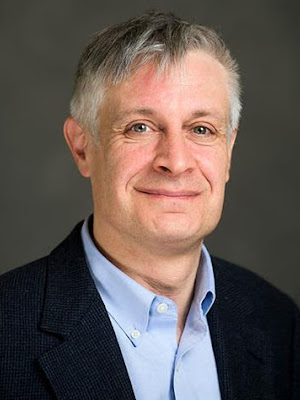
Peter Levine is the Associate Dean of Academic Affairs and Lincoln Filene Professor of Citizenship and Public Affairs at the Jonathan Tisch College of Civic Life at Tufts University. He is a political philosopher and political scientist who specializes in civic life and has helped to develop Civic Studies as an international intellectual movement. Levine graduated from Yale in 1989 with a degree in philosophy. He studied philosophy at Oxford on a Rhodes Scholarship, receiving his doctorate in 1992. Before coming to Tufts in 2008, he worked for Common Cause, the Institute for Philosophy & Public Policy at the University of Maryland, and the National Commission for Civic Renewal, and helped to found and then led CIRCLE (The Center for Information and Research on Civic Learning and Engagement), which is now part of Tisch College. He is a full professor in the Department of Political Science, directs the Civic Studies program, and holds secondary appointments in Philosophy, International Relations, Science and Technology Studies, and the Clinical and Translational Science Institute (CTSI).

David Logan is an Assistant Professor of Security Studies at The Fletcher School of Law and Diplomacy at Tufts University. He is a faculty affiliate of the International Security Studies Program (ISSP) and The Hitachi Center for Technology and International Affairs, and his research focuses on nuclear weapons, arms control, deterrence, and the U.S.-China security relationship. Logan is a critical analyst of international security, and his scholarship is published widely in numerous top academic journals. He has conducted research for the Center for the Study of Chinese Military Affairs at National Defense University and the Defense Threat Reduction Agency. His research examines the nature of conflicts in a new era of nuclear-powered great power competition and has significant implications for understanding the factors that influence China’s decisions to use military force against regional neighbors. A sharp voice on matters of international security, Logan previously taught in the National Security Affairs Department at the Naval War College. He served as a Stanton Nuclear Security Fellow with the MIT Security Studies Program and as a fellow with the Princeton Center for International Security Studies, where he also served as director of the Strategic Education Initiative.
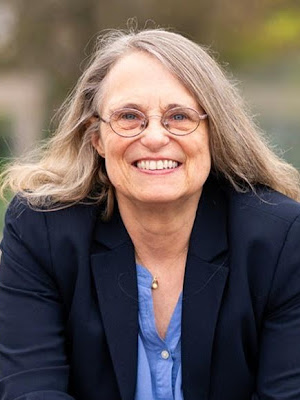
Vickie Sullivan is the Cornelia M. Jackson Professor of Political Science and teaches and studies political thought and philosophy. She also maintains teaching and research interests in politics and literature. Her most recent book is Montesquieu and the Despotic Ideas of Europe (University of Chicago Press, 2017). She is also the author of Machiavelli, Hobbes, and the Formation of a Liberal Republicanism in England (Cambridge University Press, 2004); and of Machiavelli’s Three Romes: Religion, Human Liberty, and Politics Reformed (Northern Illinois University Press, 1996; reissued by Cornell University Press, 2020). She has also edited two volumes: The Comedy and Tragedy of Machiavelli: Essays on the Literary Works (Yale University Press, 2000); and Shakespeare’s Political Pageant: Essays in Politics and Literature, with Joseph Alulis (Rowman & Littlefield Press, 1996). Her articles have appeared in The American Political Science Review, History of European Ideas, History of Political Thought, Political Theory, Polity, and Review of Politics. Her current project is tentatively titled Modern Empires, Political and Philosophical.
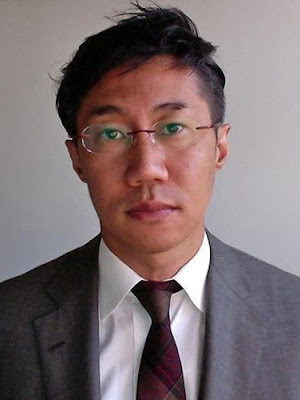
Ichiro Takayoshi is an Associate Professor of English at Tufts University. He began his career as a historian of American literature and culture, publishing three books: American Writers and the Approach of World War II (Cambridge University Press, 2015), American Literature in Transition: 1920–1930 (Cambridge University Press, 2017), and American Literature in Transition: 1930–1940 (Cambridge University Press, 2018). These books are mainly concerned with showing how American letters in the first half of the twentieth century responded to the great transformations – technological, ethical, economic, and geopolitical – brought on by modernization. His recent teaching and research turn to two linked questions. First, what exactly is the “literary imagination,” and how do writers and readers cultivate it? Since antiquity, writers, thinkers, and scientists have developed diverse views on the role of the imagination in the creation and appreciation of literature. In courses such as The Literary Imagination and Poets on Poetry, he works with his students to demystify this enigmatic mental power by challenging conventional views and testing them against our own experiences. Second, he is currently working on a new book, Aesthetic Capital, which asks: how does “aesthetic capital”—our ability to create and enjoy art—grow over time? Born and raised in Kyushu, the southernmost of Japan’s main islands, he holds a BA and an MA from the University of Tokyo and a PhD in English from Columbia University.