
The Center for Expanding Viewpoints in Higher Education is committed to fostering a culture of engagement across ideological, religious, and cultural differences.
We aim to bring innovation and excellence to teaching, research, and campus experiences through broad engagement with faculty, administration, and business and civic leaders.
Leadership
Eitan Hersh, Director
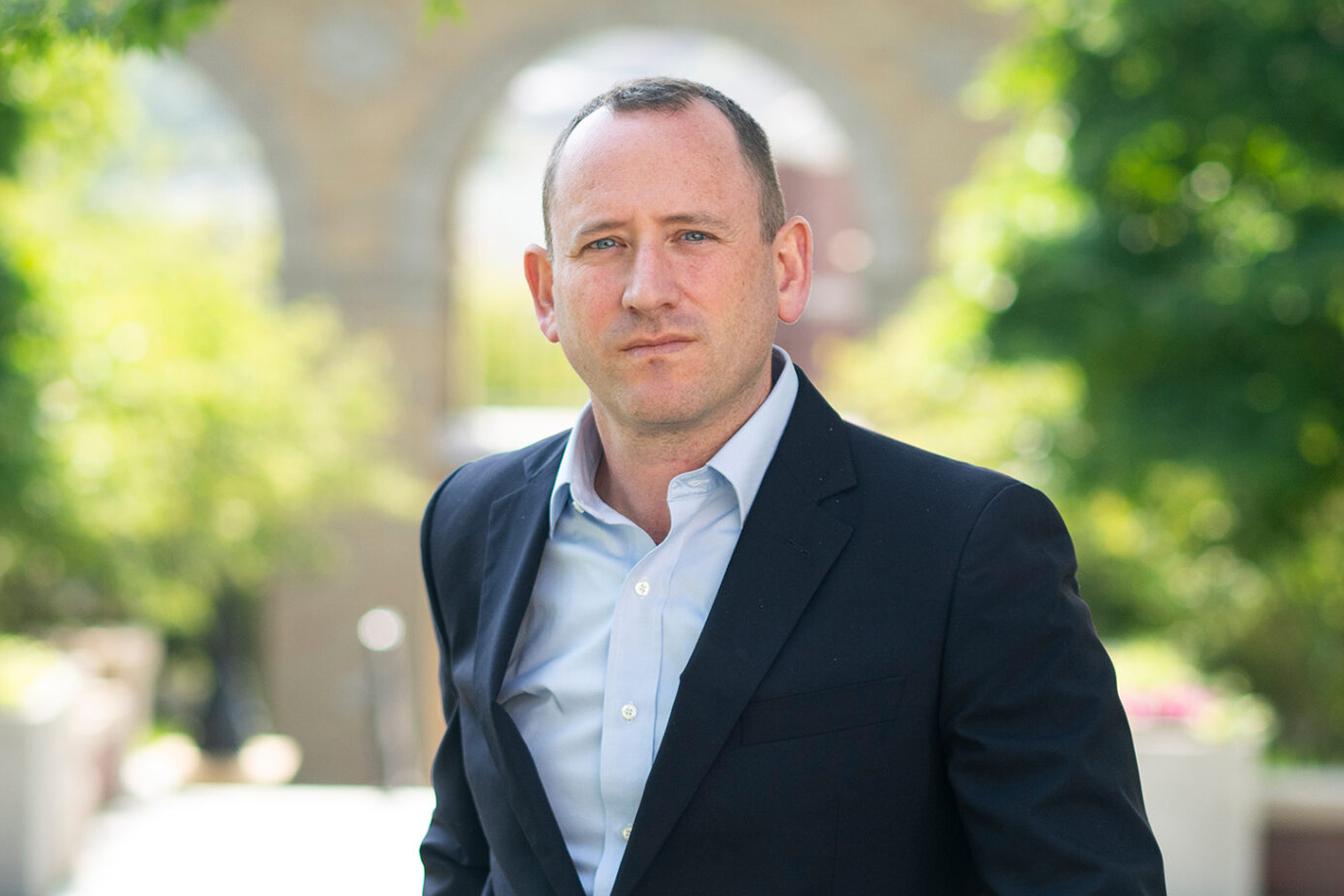 Professor Hersh is a professor of political science at Tufts University and the inaugural director for the Center for Expanding Viewpoints in Higher Education. Hersh’s research focuses on US elections and civic participation. Hersh is the author of Politics is for Power (Scribner, 2020), Hacking the Electorate (Cambridge UP, 2015), as well as scholarly articles. Hersh earned his PhD from Harvard in 2011 and served as an assistant professor of political science at Yale University from 2011 to2017. His public writings have appeared in publications such as the New York Times, USA Today, The Atlantic, POLITICO, and the Boston Globe. Hersh regularly testifies in voting rights court cases and has appeared before the U.S. Senate Committee on the Judiciary on the role of data analytics in political campaigns. He teaches courses on elections, technology and politics, and American conservatism.
In addition to working on elections and civic engagement, Hersh has written on topics ranging from antisemitism and the political consequences of terrorist attacks to politicization in health care delivery and the opioid crisis. For his teaching, research, and campus leadership, Hersh has received national recognition for prioritizing viewpoint diversity in higher education.
In 2022, Hersh was awarded an Emerson Collective Fellowship and went on leave to conduct research on the civic role of business leaders. While on leave, he decided it was time to prepare a new course for Tufts undergraduates. Many students, he felt, were in ideological bubbles with little exposure – even in the classroom – to conservative ideas. Hence, he created a course focused on contemporary public policy designed to help students learn more about the ethical, legal, and empirical debates in American society. The course, which has been profiled in Boston Magazine and the Wall Street Journal, has helped broaden Tufts undergraduates’ perspectives.
The course on conservatism alerted Hersh to a strong appetite among Tufts students to engage with all sides of political and social issues, even the most sensitive ones. Whether in a classroom, a research lab, a workplace, or in the public square as a citizen in a democracy, our best and brightest students want to grow into mature citizens who understand the world and can engage with people with all sorts of worldviews. This Center is built for them and for the society they will inherit and lead.
Arik Burakovsky, Associate Director
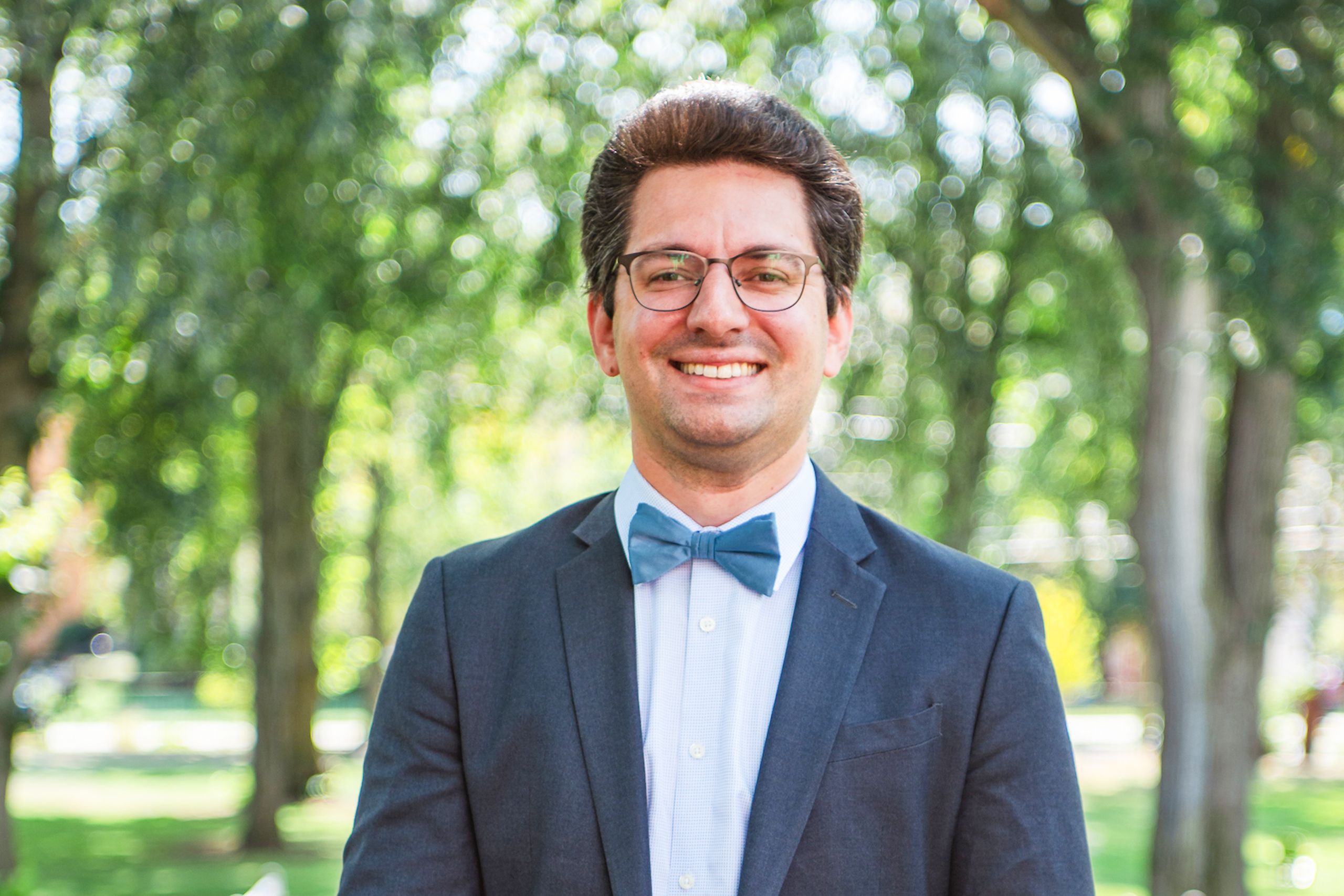 Burakovsky will partner closely with Professor Hersh to establish the Center and drive engagement, develop curricula, and manage events. He previously served as Associate Director of the Russia and Eurasia Program and the Hitachi Center for Technology and International Affairs at The Fletcher School. His research interests include Russian foreign policy and political economy, soft power, public diplomacy, and international relations forecasting. He has written for The Conversation, TIME, The National Interest, the Chicago Council on Global Affairs, and other online and print publications. Burakovsky received his B.A. in Political Science and International Relations from the University of California, San Diego, and his M.A. in Law and Diplomacy from The Fletcher School.
Shani Agarwal Hood, Program Manager
Shani manages the Center’s student-facing work and outreach. She advises the Center’s student leadership and will manage the newly launched Edge Fellowship for first-year undergraduates. She also works closely with Professor Hersh and Burakovsky to coordinate the Center’s public events, communications, marketing, and curricular innovation. Previously, Shani served as Program Director of the Harvard Catholic Forum and has held both student and professional fellowships with the Abigail Adams Institute in Cambridge, Massachusetts. She received her A.B. in Classics from Bowdoin College and completed her Master of Theological Studies at Harvard University with a focus on religion and art. At Harvard, she was also a Teaching Fellow in the Department of History of Art and Architecture. Her research interests include ancient and medieval religion, classical languages, political philosophy, film studies, and art history.
Advisory Groups
Faculty Advisory Board
Composed of faculty from across the university, the board advises the Center’s leadership on its priorities and strategies and helps connect the Center’s work with scholarship and teaching across the university.
We are thankful to our colleagues for joining our efforts:
- Kevin Dunn, Associate Professor, English, School of Arts and Sciences
- Silke Forbes, Professor, Economics, School of Arts and Sciences
- Ken Garden, Associate Professor, Religion, School of Arts and Sciences
- Michael Glennon, Professor, Constitutional and International Law, The Fletcher School
- Lesley Inker, Professor, Clinical and Translational Science Program, Graduate School of Biomedical Sciences
- Amy Kuhlik, Dean of Student Affairs and Assistant Professor of Medicine, School of Medicine
- Keren Ladin, Associate Professor, Community Health, School of Arts and Sciences
- Peter Levine, Associate Dean for Academic Affairs and Lincoln Filene Professor of Citizenship & Public Affairs, Tisch College of Civic Life
- David Logan, Assistant Professor of Security Studies, The Fletcher School
- Vickie Sullivan, Cornelia M. Jackson Professor of Political Science, School of Arts and Sciences
- Ichiro Takayoshi, Associate Professor, English, School of Arts and Sciences
Community Advisory Board
The board consists of civic, business, philanthropic, and religious leaders who represent a wide range of worldviews and share a commitment to universities that welcome diverse perspectives and foster constructive disagreement. The board advises the Center on its priorities and strategies.